Vancouver Bachelor and Bachelorette Party Transportation Planning Guide
November 16, 2026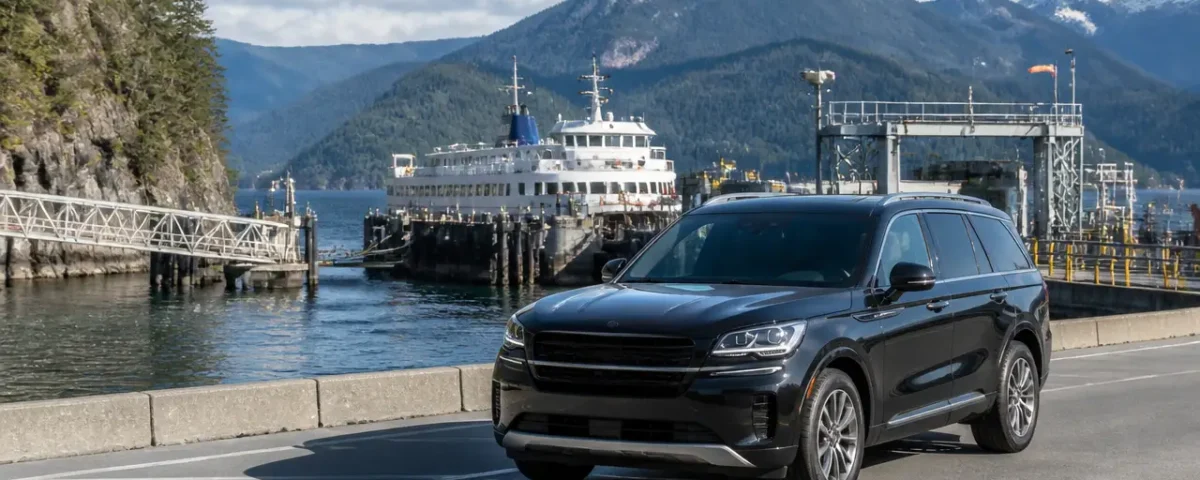
Horseshoe Bay ferry travel starts with a deceptively short drive: the terminal is roughly 25 minutes from downtown Vancouver in normal traffic, but the North Shore approach can become much slower before a popular sailing. A little planning around reservations, check-in windows, luggage and Highway 1 conditions can prevent a missed departure.
Which ferry route are you taking?
BC Ferries’ Vancouver terminal at Horseshoe Bay serves three main destinations: Departure Bay in Nanaimo, Langdale on the Sunshine Coast and Snug Cove on Bowen Island. The correct arrival plan depends on the route and on whether you are driving aboard or travelling as a foot passenger.
For Nanaimo, vehicle customers must reserve and pay in advance. The reservation check-in window opens 120 minutes before departure and closes 30 minutes before sailing. Missing that cut-off can mean losing the reservation and being placed on a later sailing. As a practical, non-official planning rule, many travellers should aim to reach the terminal about 60 to 90 minutes before departure while staying inside that required window.
For Langdale, booked vehicle and foot-passenger check-in opens 60 minutes before sailing and closes 30 minutes before departure. Arriving 45 to 60 minutes early is a sensible target when traffic, luggage or children are involved. Drive-up travel to Langdale and Bowen Island generally follows arrival order, with ticket sales and check-in closing 10 minutes before departure. That does not guarantee space on the sailing you want.
Reservations do not replace terminal timing
A reservation protects a vehicle space on the selected sailing, but it does not allow a late arrival. Keep the booking reference number, or the phone number used for the booking, available for the ticket agent. The agent will assign a staging lane, and the vehicle may be directed to the main or upper car deck.
Check the BC Ferries Horseshoe Bay current conditions page before leaving Vancouver. It shows sailing status, estimated vehicle space, reservation check-in information, pending-space releases and terminal-camera access. A sailing marked “reservation sold out” may still show some drive-up vehicle space, but that possibility should be confirmed through current conditions rather than assumed.
Allow for the North Shore traffic pattern
The main trouble spots are Highway 1, the Highway 1 and Highway 99 interchange, and the final approach into Horseshoe Bay. Traffic can build gradually before a departure, while ferry unloading can also release a short, heavy surge of vehicles onto the corridor.
Check DriveBC cameras near Horseshoe Bay and its live delay information immediately before setting out. Add more time for weekday rush hour, Friday afternoons, Sunday afternoons, long weekends, construction, incidents and severe weather. BC Ferries identifies holiday periods and Thursday and Friday afternoons or evenings as busy travel times; mid-week and early-morning or late-evening sailings may be easier.
Luggage, pets and travelling without a car
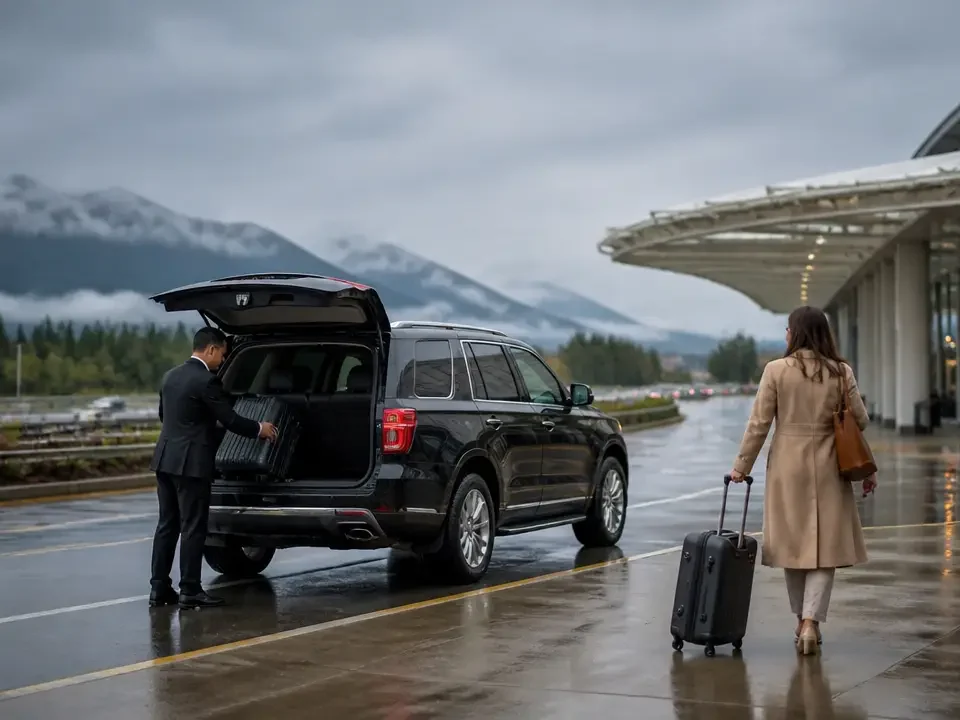
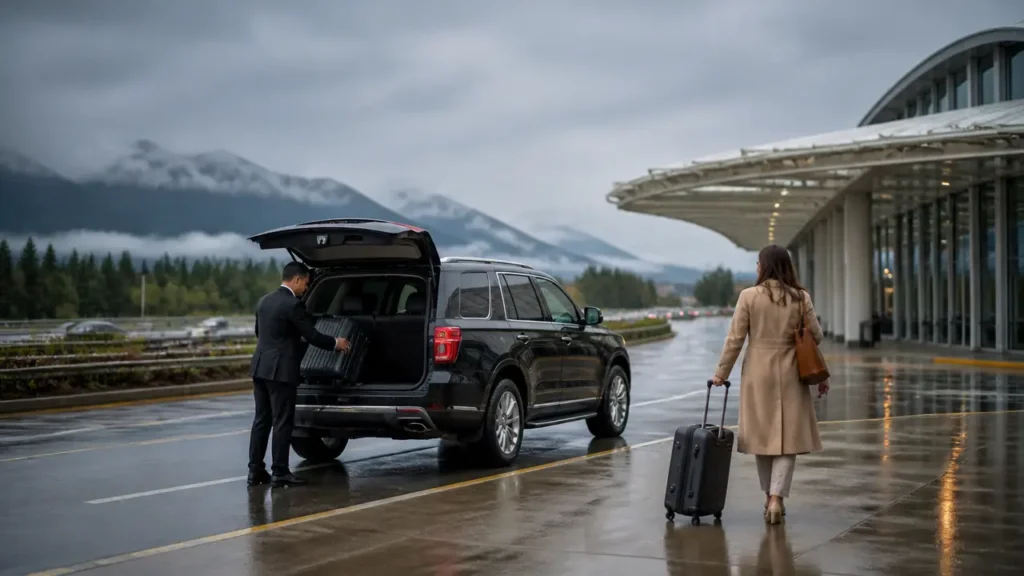
Vehicle passengers generally leave luggage inside the vehicle during loading. On the Langdale route, passengers may remain in their vehicle for the sailing, which can be convenient for families, bulky bags and passengers who prefer not to carry belongings into the passenger areas. Foot passengers should be prepared to carry their luggage through the terminal and follow BC Ferries’ separate foot-passenger and baggage instructions. Small pets are permitted free of charge, subject to BC Ferries’ rules.
If you are travelling without a vehicle, TransLink offers direct connections from Vancouver to Horseshoe Bay on routes 250 and 257. Route 250 serves the terminal via the Lions Gate Bridge, West Vancouver and Marine Drive, while route 257 is the express option. Check the day’s schedule before travelling because holiday and service times can change.
When a private car or chauffeur helps
A private vehicle can be useful for a group with several bags, older passengers, children or a fixed event itinerary. It can also remove the need to navigate the North Shore and search for the correct staging lane yourself. However, a limousine or SUV cannot bypass ferry queues, guarantee a sailing or override BC Ferries’ reservation, vehicle-size or check-in rules. Low-clearance vehicles and vehicles with extended rear overhangs, including some buses and RVs, may be delayed during extreme tide conditions.
For a corporate group or celebration continuing after the ferry, choose a transportation provider that clearly explains vehicle capacity, waiting time and ferry-day contingencies. Readers comparing local operators can review Royal Limo’s company information as part of that process. If the wider itinerary includes a Fraser Valley winery visit after returning to the mainland, dedicated wine-tour transportation may be a better fit than trying to combine unrelated bookings.
A simple departure-day check
- Confirm the route, sailing time and reservation details.
- Check BC Ferries current conditions and DriveBC cameras before leaving.
- Leave enough time for the official check-in window, plus North Shore traffic.
- Keep the booking reference or associated phone number accessible.
- Confirm luggage, pet and vehicle-dimension requirements before arrival.
- Follow the assigned staging lane and the terminal staff’s instructions.
The most reliable ferry plan is based on the live road and sailing conditions on the day, not just the published timetable. Build the buffer before leaving Vancouver, then treat the official check-in cut-off as a firm deadline.